
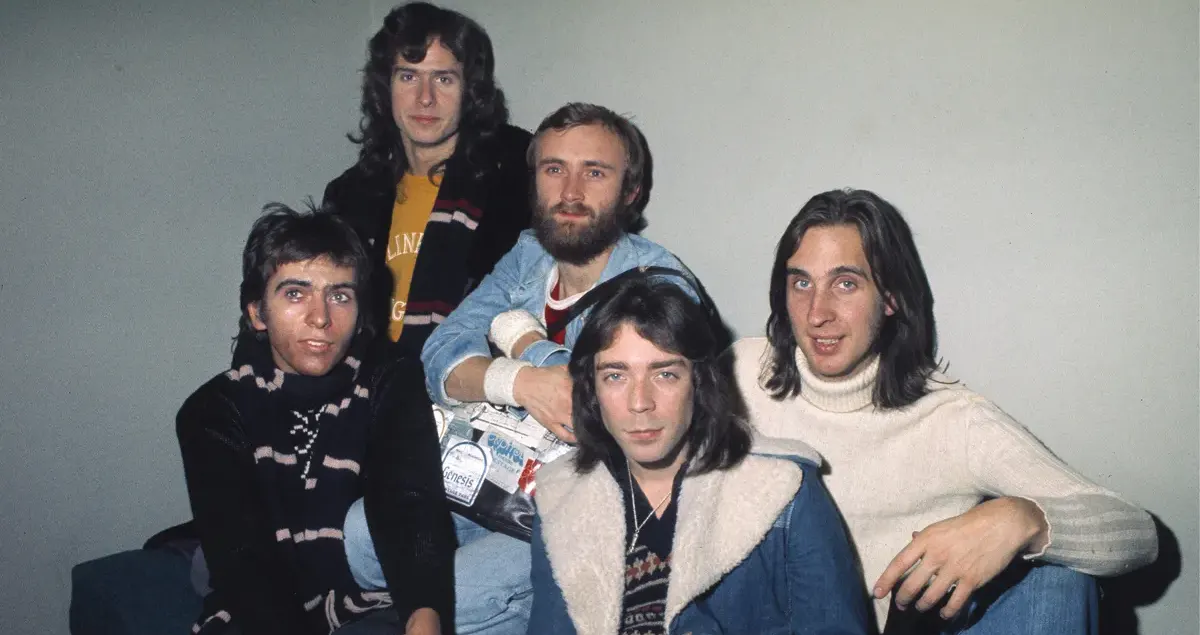
Genesis: Narrative, Theatre, and the Human Side of Progressive Rock
Progressive rock is often defined by complexity, scale, and technical ambition, but Genesis introduced something equally powerful into the genre: storytelling. Where many progressive bands focused on structure or virtuosity, Genesis treated music as a narrative space — one where characters, emotions, and theatrical imagination could coexist with intricate composition.
Genesis did not simply make progressive rock more elaborate; they made it human. Through stories, irony, and drama, they demonstrated that progressive music could engage the intellect without losing emotional intimacy.
Prog Rock History — Where Genesis Stands
Genesis emerged at a time when progressive rock was rapidly diversifying. By the early 1970s, the genre had already established its musical vocabulary, but its expressive limits were still undefined. Genesis occupied a unique position within this landscape: neither as confrontational as King Crimson nor as architecturally pristine as Yes.
Instead, Genesis carved out a space where narrative and character became central. Their music unfolded like short stories or theatrical scenes, blending English pastoral imagery, surreal humor, and psychological tension. In doing so, they expanded progressive rock’s expressive range, proving that complexity could serve narrative rather than overshadow it.
Within the history of prog, Genesis represent the genre’s most literary and theatrical axis.
Creative Phases and Lineup Evolution
The Formative Years (1967–1970)
Genesis began as a songwriting-oriented group with pop aspirations. Early releases like From Genesis to Revelation reflected pastoral influences and conventional structures, offering little indication of the band’s future direction. However, these years laid the groundwork for their emphasis on melody and lyrical narrative.
The arrival of guitarist Steve Hackett and drummer Phil Collins marked a decisive shift. The band gradually moved away from simple song forms toward more expansive compositions.
The Classic Gabriel Era (1971–1975)
The period defined by Nursery Cryme, Foxtrot, Selling England by the Pound, and The Lamb Lies Down on Broadway represents Genesis at their most distinctive. Peter Gabriel’s theatrical presence, combined with Tony Banks’ compositional control and Hackett’s textural guitar work, created a sound that balanced complexity with vivid storytelling.
This era produced some of progressive rock’s most memorable characters and scenes, blending English eccentricity with myth, satire, and psychological depth. Genesis became less about musical dominance and more about dramatic cohesion.
Transition and Continuity (1976–1978)
Following Gabriel’s departure, many expected Genesis to fragment. Instead, albums like A Trick of the Tail and Wind & Wuthering demonstrated remarkable continuity. Phil Collins stepped into the lead vocal role, and the band preserved much of its compositional sophistication while gradually reducing theatrical excess.
These records represent a transitional phase in which Genesis refined their sound without abandoning their progressive identity.
Adaptation and Popularization (1980s)
By the 1980s, Genesis shifted toward a more concise, accessible style. While albums like Duke retained progressive elements, later releases increasingly favored pop structures. This transformation sparked debates similar to those surrounding Yes, raising questions about artistic evolution versus compromise.
Albums by Function, Not Ranking
The Narrative Breakthrough: Nursery Cryme (1971)
This album marks the moment Genesis fully embraced narrative-driven progressive rock. Its dark humor, Victorian imagery, and dramatic contrasts established the band’s signature approach to storytelling.
The Symphonic Statement: Foxtrot (1972)
Foxtrot balances expansive composition with narrative clarity. Its extended closing piece exemplifies Genesis’s ability to sustain tension while advancing a conceptual arc.
The Cultural Landmark: Selling England by the Pound (1973)
Often considered Genesis’s defining work, this album captures the band at the intersection of national identity, satire, and progressive ambition. It remains one of the genre’s most cohesive statements.
The Conceptual Epic: The Lamb Lies Down on Broadway (1974)
This album stands apart as a singular artistic vision. Fragmented, surreal, and emotionally charged, it pushes narrative ambition further than most progressive works, blurring the line between rock album and theatrical production.
Themes, Narrative, and Lyrical World
Genesis lyrics are deeply rooted in narrative imagination. Rather than abstraction or transcendence, their songs focus on characters, situations, and psychological states. Humor and irony coexist with darkness, allowing the band to explore vulnerability without sentimentality.
This approach made Genesis uniquely approachable within progressive rock, offering listeners entry points through story rather than structure alone.
Where to Start Listening — Entry Points by Listener Type
- Story-driven listeners: Selling England by the Pound
- Concept album enthusiasts: The Lamb Lies Down on Broadway
- Classic prog fans: Foxtrot
- Transitional-era listeners: A Trick of the Tail
- Casual listeners: Duke
Each album reflects a different balance between narrative ambition and musical form.
Why Genesis Can Be Challenging
Genesis’s emphasis on narrative can feel idiosyncratic to listeners accustomed to instrumental or abstract prog. The theatrical elements, shifting tones, and English cultural references may initially feel opaque. However, these same qualities reward attentive listening with depth and personality.
Influence and Legacy
Genesis influenced countless progressive and neo-progressive acts by demonstrating that complexity could support storytelling rather than overshadow it. Their legacy extends beyond prog, shaping approaches to concept albums, theatrical performance, and lyrical ambition across rock music.
What Prog Rock Would Lose Without Genesis
Without Genesis, progressive rock would lack its most vivid sense of character and narrative. The genre might remain structurally impressive, but it would lose much of its emotional nuance and literary imagination. Genesis ensured that prog could speak not only to the intellect, but to the human experience itself.
In this way, Genesis did not merely expand progressive rock — they gave it a voice.