
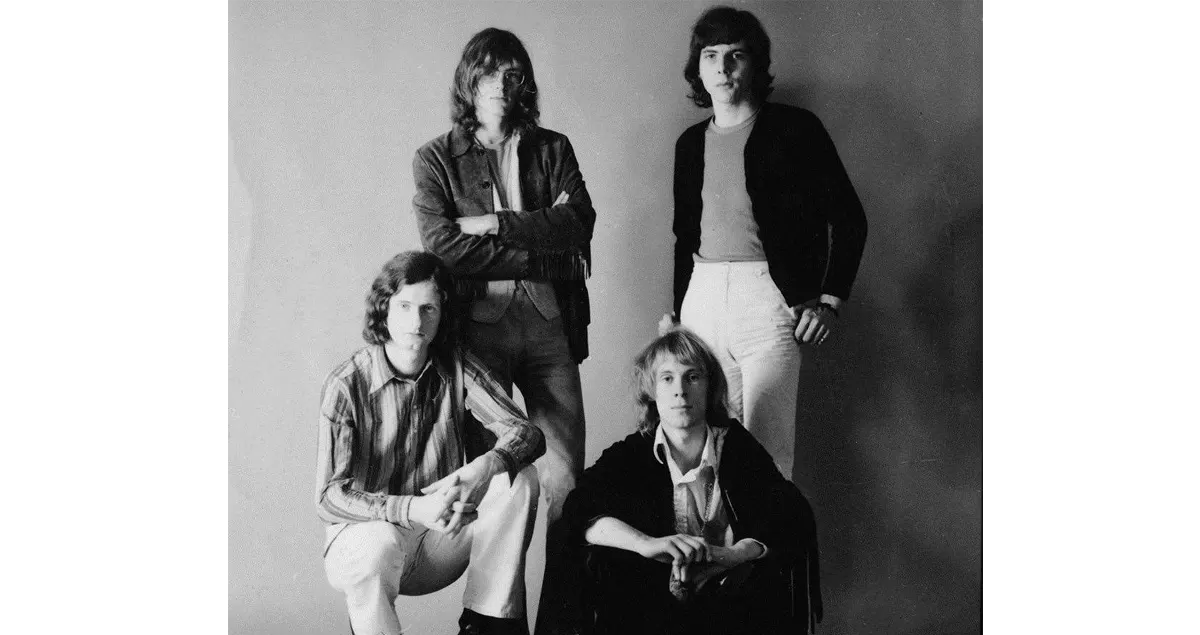
Caravan: Pastoral Wit, Subtle Complexity, and the Gentle Heart of Progressive Rock
Progressive rock is often associated with ambition, tension, or intellectual rigor, but Caravan approached the genre from a radically different emotional angle. Their music favors warmth over confrontation, humor over drama, and subtle complexity over overt virtuosity. Rather than challenging the listener, Caravan invite them in.
Caravan represent progressive rock at its most humane and conversational — a reminder that progress does not always require intensity.
Prog Rock History — Where Caravan Stand
Caravan emerged from the Canterbury scene, a loosely connected group of musicians who shared a fondness for jazz harmony, whimsical lyricism, and understated experimentation. While progressive rock elsewhere was becoming increasingly grand or severe, Caravan cultivated a style rooted in English pastoral tradition and quiet sophistication.
Historically, Caravan occupy the genre’s most approachable corner. They demonstrated that progressive rock could evolve through tone and attitude, not just structure or scale. Their work offered an alternative to both symphonic excess and existential darkness, emphasizing continuity, comfort, and understated intelligence.
Within prog history, Caravan function as a counterbalance — proof that complexity could coexist with charm.
Creative Phases and Lineup Character
Early Canterbury Identity (1968–1970)
Caravan formed with a clear connection to the Canterbury sound. Early recordings blended psychedelic remnants with jazz-inflected harmony and playful sensibility. Rather than abandoning song form, the band gently expanded it, allowing arrangements to breathe without forcing transformation.
This phase established their defining traits: melodic bass lines, warm organ textures, and dry, distinctly British humor.
Pastoral Progressive Maturity (1971–1973)
This period represents Caravan at their most distinctive. Albums released during these years refined the balance between accessibility and progressive structure. Extended pieces appeared, but they unfolded with patience rather than drama.
Caravan’s music during this era feels unhurried, privileging atmosphere and melodic continuity over tension.
Refinement and Softening (Mid–Late 1970s)
As progressive rock’s commercial climate shifted, Caravan’s sound softened further. Jazz elements remained, but arrangements became smoother and more restrained. While some listeners view this as a loss of edge, it also reflects the band’s commitment to comfort and coherence over confrontation.
Albums by Function, Not Ranking
The Pastoral Statement: In the Land of Grey and Pink (1971)
This album defines Caravan’s identity. Its blend of extended composition and gentle whimsy captures the band’s unique approach to progressive rock, where ambition unfolds without urgency.
The Subtle Expansion: If I Could Do It All Over Again, I’d Do It All Over You (1970)
Here, Caravan refine their early sound. Songs remain concise, but harmonic sophistication and melodic interplay deepen, signaling the band’s progressive intent.
The Warm Continuum: For Girls Who Grow Plump in the Night (1973)
This album maintains the band’s pastoral tone while expanding instrumental sections. It illustrates Caravan’s ability to evolve without abandoning comfort.
The Transitional Record: Cunning Stunts (1975)
Often overlooked, this album reflects Caravan’s adaptation to a changing musical environment. Jazz textures and polished arrangements dominate, emphasizing smoothness over exploration.
Musical Language, Humor, and Tone
Caravan’s music prioritizes melody, texture, and flow. Instrumental interplay is conversational rather than competitive, and complexity is woven gently into arrangements. David Sinclair’s organ work provides warmth and harmonic depth, while bass lines often carry melodic responsibility.
Lyrically, Caravan favor wit and understatement. Humor appears not as parody, but as gentle irony, grounding the music in everyday sensibility rather than abstraction or myth.
Where to Start Listening — Entry Points by Listener Type
- First-time prog listeners: In the Land of Grey and Pink
- Canterbury scene explorers: If I Could Do It All Over Again…
- Melody-focused listeners: For Girls Who Grow Plump in the Night
- Jazz-inclined listeners: Cunning Stunts
- Gentle prog newcomers: In the Land of Grey and Pink
Each entry point highlights Caravan’s commitment to warmth and continuity.
Why Caravan Can Be Challenging
Caravan’s gentleness can be mistaken for simplicity. Listeners seeking dramatic shifts, virtuosic display, or philosophical confrontation may find their music understated. The absence of tension requires patience and an openness to subtle detail.
Yet this restraint is central to Caravan’s appeal. Their music rewards relaxed listening, revealing depth through familiarity rather than shock.
Influence and Legacy
Caravan influenced progressive rock by validating softness as a progressive virtue. Their pastoral approach shaped later melodic and Canterbury-influenced acts, offering an alternative lineage distinct from symphonic or avant-garde prog.
They also demonstrated that humor and warmth could coexist with sophistication, broadening the genre’s emotional palette.
What Prog Rock Would Lose Without Caravan
Without Caravan, progressive rock would lose its most comforting voice. The genre might still explore ambition, tension, and intellectual rigor, but it would lack a reminder that progress can feel inviting rather than demanding.
Caravan showed that progressive rock does not always need to challenge the listener.
Sometimes, it needs to sit beside them.