
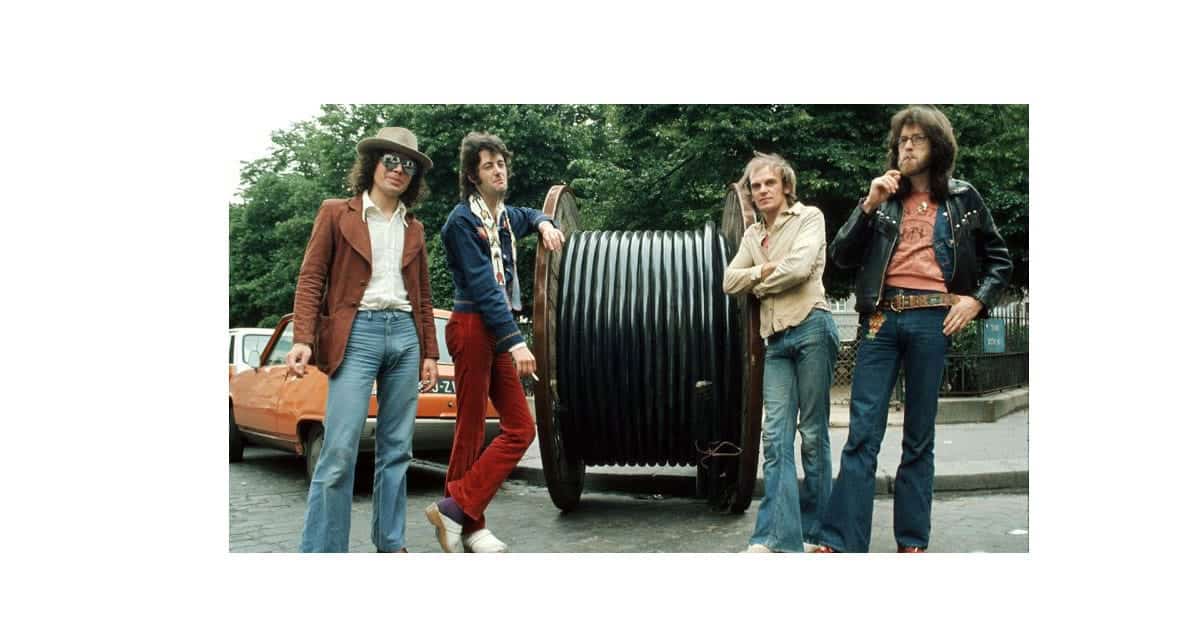
Van der Graaf Generator: Existential Tension, Language, and the Dark Intelligence of Progressive Rock
Progressive rock often seeks transcendence, structure, or beauty. Van der Graaf Generator sought confrontation. Where other bands invited listeners to admire complexity or narrative, VDGG challenged them to endure psychological intensity, lyrical density, and emotional unease. Their music is not designed to comfort or impress; it is designed to interrogate.
Van der Graaf Generator represent progressive rock at its most introspective and volatile — a form of expression where instability is not a flaw, but the point.
Prog Rock History — Where Van der Graaf Generator Stand
Emerging at the turn of the 1970s, Van der Graaf Generator occupied a space that few progressive bands dared to inhabit. While many contemporaries leaned toward classical elegance or symphonic clarity, VDGG embraced abrasion. Their sound was defined by tension rather than resolution, by confrontation rather than uplift.
Historically, they stand as progressive rock’s most literary and existential voice. Their work is less concerned with musical spectacle and more with the emotional and philosophical consequences of consciousness. In a genre often criticized for excess, Van der Graaf Generator chose severity.
They did not expand progressive rock outward.
They compressed it inward — until it became uncomfortable.
Creative Phases and Lineup Volatility
Formation and Early Instability (1967–1969)
Van der Graaf Generator formed around Peter Hammill’s songwriting, which immediately distinguished the band from peers. Early material hinted at complexity, but the band’s identity remained fluid. Lineup changes and shifting arrangements contributed to an atmosphere of instability that would later become central to their sound.
This early volatility set the tone for everything that followed.
The Intense Core Period (1970–1972)
Albums from this period established VDGG’s defining characteristics: angular structures, organ-driven tension, and lyrics steeped in existential dread. The music feels compressed, almost claustrophobic, with instruments often competing rather than cooperating.
Hammill’s vocal delivery — theatrical, urgent, and often abrasive — became a focal point, transforming songs into psychological confrontations rather than musical experiences in the conventional sense.
Expansion and Fragmentation (1973–1976)
As the band continued to evolve, compositions grew more expansive but not more accessible. Extended forms allowed greater exploration of tension, but cohesion became increasingly fragile. Breakups and reunions punctuated this era, reinforcing the sense that Van der Graaf Generator were never meant to be stable.
Their music reflects this instability, oscillating between control and collapse.
Albums by Function, Not Ranking
The Existential Breakthrough: H to He, Who Am the Only One (1970)
This album marks the moment VDGG fully embraced their philosophical and emotional identity. Themes of isolation and self-awareness dominate, supported by arrangements that prioritize tension over melody.
The Psychological Apex: Pawn Hearts (1971)
Often considered the band’s defining work, Pawn Hearts pushes progressive rock into unsettling territory. Its extended compositions function as emotional trials rather than journeys, demanding attention and endurance from the listener.
The Confrontational Statement: Godbluff (1975)
This album strips away excess and sharpens focus. Shorter tracks intensify the band’s confrontational energy, emphasizing immediacy and lyrical force without sacrificing complexity.
The Fragmented Reflection: Still Life (1976)
Here, VDGG balance introspection with structure, producing music that feels both controlled and unstable. It serves as a meditation on identity and persistence amid fragmentation.
Language, Tension, and Vocal Extremity
Van der Graaf Generator’s most distinctive feature is their use of language. Lyrics are dense, abstract, and philosophically charged, often addressing themes of isolation, mortality, and self-division. Hammill’s words function less as storytelling and more as internal monologue, delivered with theatrical urgency.
Musically, tension is constant. Organ lines grind rather than flow, rhythms disrupt rather than support, and harmonic resolution is frequently withheld. Silence and sudden shifts are used as compositional tools, reinforcing the sense of instability.
Where to Start Listening — Entry Points by Listener Type
- Philosophically minded listeners: Pawn Hearts
- Classic prog explorers: H to He, Who Am the Only One
- Intensity seekers: Godbluff
- Late-era refinement: Still Life
- Curious newcomers: The Least We Can Do Is Wave to Each Other
Each entry point reveals a different facet of the band’s uncompromising identity.
Why Van der Graaf Generator Can Be Challenging
VDGG are demanding. Their music resists melody-driven comfort, their lyrics require close attention, and their emotional intensity can feel overwhelming. Hammill’s vocal style, in particular, divides listeners sharply.
Yet these challenges are inseparable from the band’s importance. Van der Graaf Generator do not offer escape — they offer engagement.
Influence and Legacy
Van der Graaf Generator influenced progressive rock’s darker, more introspective strains. Their emphasis on tension, lyrical density, and emotional extremity resonates in later avant-prog, post-punk, and experimental rock movements.
They demonstrated that progressive rock could be psychologically serious, not merely musically ambitious.
What Prog Rock Would Lose Without Van der Graaf Generator
Without Van der Graaf Generator, progressive rock would lose its most uncompromising conscience. The genre might still explore beauty, narrative, and structure, but it would lack a voice willing to dwell in discomfort and contradiction.
VDGG proved that progress does not always feel like expansion.
Sometimes, it feels like pressure.